Dead Mobile Operating Systems: A Graveyard Tour
A look back at the mobile platforms that shaped the industry — and didn't survive it.
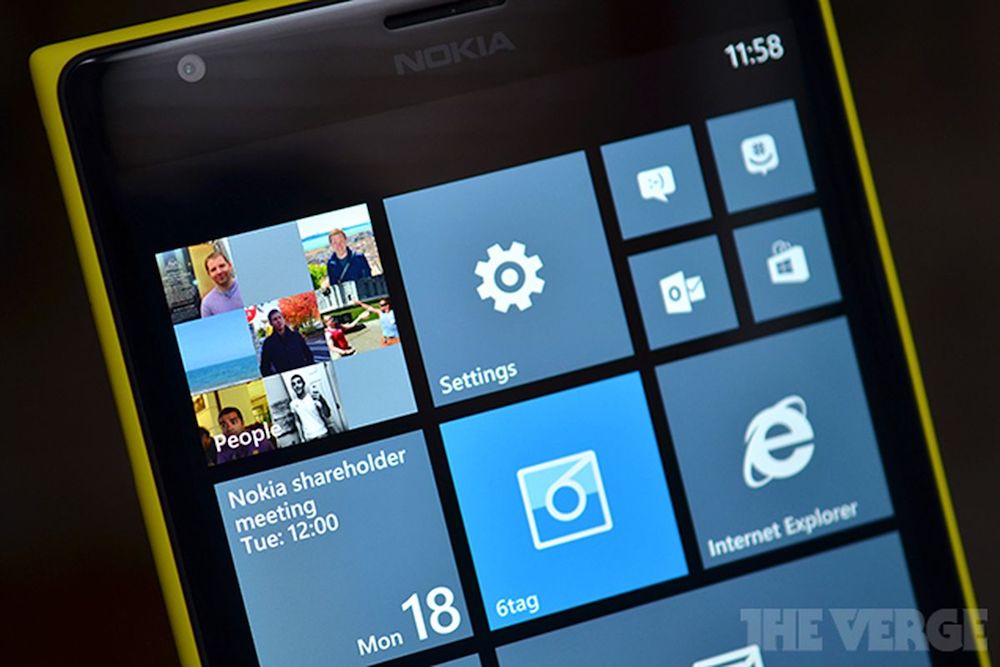
📱 Windows Phone (2010–2017)
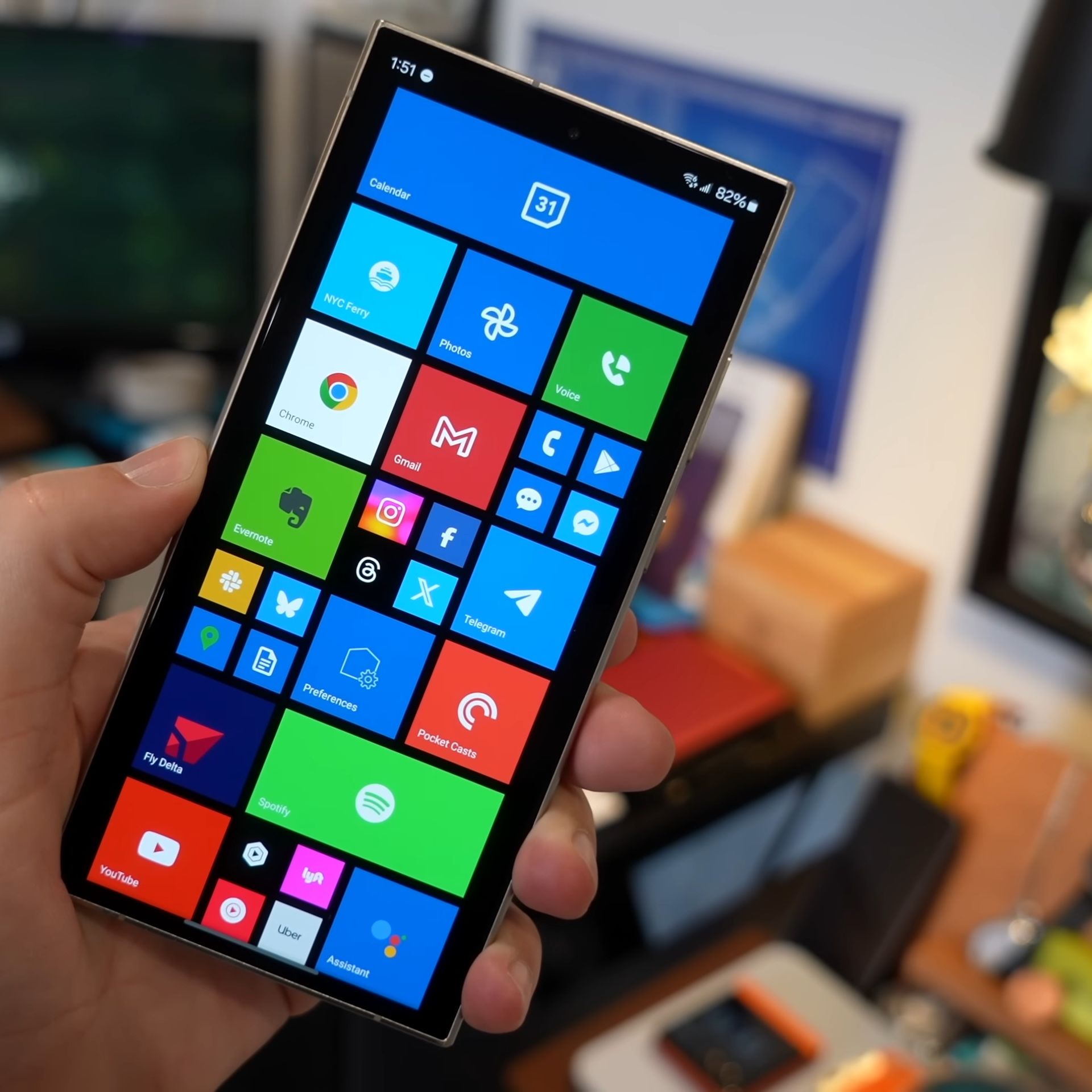
Released: 2010 | Discontinued: 2017
Windows Phone was Microsoft's bold bet on mobile — clean, tile-based, and genuinely different. The Live Tiles system gave real-time updates directly on the home screen, which was actually ahead of its time.
Key Features:
Live Tiles — dynamic, glanceable home screen
Deep Office & Xbox integration
Flat, typography-driven UI (Metro Design Language)
Hubs concept — aggregated contacts, music, and apps in one place
Notable Devices: Nokia Lumia 920, Lumia 1020, HTC 8X
UI/UX Perspective: Windows Phone's Metro design was legitimately groundbreaking. It prioritized typography and motion over icons-on-a-grid. The problem? App developers didn't follow. The "app gap" killed it more than the design ever could. Microsoft was solving UI problems that the market didn't reward.
📱 Windows Mobile (2003–2010)

Released: 2003 | Discontinued: 2010
The business-first predecessor to Windows Phone. Originally evolved from Windows CE (1996), which powered handheld PCs and PDAs. Windows Mobile brought a scaled-down Windows desktop to pocket-sized devices.
Key Features:
Stylus-based touch interaction
Full Office suite (Word, Excel, PowerPoint)
Internet Explorer Mobile
Push email via Exchange ActiveSync
Notable Devices: HTC Touch, HP iPAQ, Motorola Q
UI/UX Perspective: Windows Mobile was desktop-first thinking crammed onto a small screen — and it showed. Menus were tiny, interaction required precision with a stylus, and scrolling was janky. It served enterprise users well but was never designed for a finger. The iPhone's launch in 2007 made all of this painfully obvious overnight.
Lineage: Windows CE (1996) → Pocket PC (2000) → Windows Mobile (2003) → Windows Phone (2010)
📱 BlackBerry OS (1999–2015)

Released: 1999 | Discontinued: 2015 (BB10 in 2022)
Before smartphones were cool, BlackBerry owned the enterprise market. The physical QWERTY keyboard and real-time email push made it the weapon of choice for executives, politicians, and anyone who lived in their inbox.
Key Features:
Physical QWERTY keyboard (iconic)
BlackBerry Messenger (BBM) — the original end-to-end messaging
Push email via BlackBerry Enterprise Server
Military-grade security and encryption
Notable Devices: BlackBerry Bold 9700, BlackBerry Curve, BlackBerry Passport
UI/UX Perspective: BlackBerry's UX was purpose-built for input, not consumption. The thumb-driven keyboard was so good that users swore by it. But when the market shifted from "get stuff done" to "watch videos and tap apps," the keyboard became a liability. Their late pivot to touchscreen (BB10) came too late — by then, the ecosystem had moved on.
📱 Symbian OS (1998–2012)

Released: 1998 | Discontinued: 2012
Symbian was the smartphone OS of the 2000s. At its peak, it ran on more than half of all smartphones worldwide — mostly Nokia devices. It was capable, feature-rich, and incredibly complex under the hood.
Key Features:
Multitasking (rare for its era)
Extensible via apps (before "app stores" were a thing)
Nokia Maps, media players, and office viewers baked in
Efficient on low-spec hardware
Notable Devices: Nokia N95, Nokia N8, Sony Ericsson P1
UI/UX Perspective: Symbian suffered from deep inconsistency. Different versions (S60, S80, UIQ) looked and felt completely different. Navigation was menu-heavy and convoluted — fine for power users, baffling for everyone else. Nokia's failure to unify and modernize the UI is textbook "good tech, bad product." The hardware was often stellar; the software kept letting it down.
📱 Java Platform — J2ME (1999–2013)

Released: 1999 | Faded out: ~2013
Not an OS in the traditional sense, but J2ME (Java 2 Micro Edition) was the de facto app platform for feature phones and early smartphones. If you played Snake 2, downloaded a ringtone app, or ran a mobile game in the 2000s — that was probably J2ME.
Key Features:
Cross-device app compatibility ("Write once, run anywhere")
MIDlets — lightweight Java apps and games
Ran on top of proprietary phone firmware
Enabled early mobile banking, navigation, and gaming
Notable Devices: Nokia 3310, Motorola RAZR, Sony Ericsson W series
UI/UX Perspective: J2ME was a wild west of UX. Every developer implemented their own navigation, every phone had different screen sizes, and "consistent experience" was a fantasy. But it democratized mobile apps before the App Store existed. The constraints bred creativity — and some surprisingly polished games for the era.
📱 Palm OS (1996–2007)

Released: 1996 | Discontinued: 2007
Palm OS powered PDAs and early smartphones back when "personal digital assistant" was still a phrase people used. It was fast, simple, and shockingly good for 1996 hardware. The Palm Pilot was the first device many people felt genuinely got portable computing right.
Key Features:
Graffiti handwriting input system
One-touch app access
HotSync — desktop syncing via cradle
Calendar, contacts, tasks — the original productivity suite
Notable Devices: Palm Pilot, Palm Treo 650, Palm Pre (webOS successor)
UI/UX Perspective: Palm OS was a masterclass in constraint-driven design. Every interaction was optimized for a small screen and stylus. The Graffiti writing system was a clever workaround for tiny keyboards. Palm understood that a PDA isn't a tiny PC — it has different needs. Their later failure came from not evolving fast enough when phones and PDAs merged into one device.
📱 Proprietary Feature Phone OS (1990s–2000s)
Era: Mid-1990s to mid-2000s
Before Android and iOS, every major phone manufacturer had their own custom OS. Motorola, Samsung, LG, and Sony Ericsson each built their own interface — often from scratch — for each product line. No standardization, no app ecosystem.
Key Features:
Custom UI per manufacturer and model
Basic phonebook, SMS, and WAP browser
Ringtone and wallpaper customization
Carrier-installed apps (often undeletable)
Notable Devices: Motorola RAZR V3, Samsung SGH series, LG Chocolate
UI/UX Perspective: Consistency was nonexistent. Every phone had a different menu structure, different button layout, different way to access settings. Users had to re-learn everything when switching phones. The upside: manufacturers competed on UX innovations — flip phones, slide keyboards, rotating screens. Chaos, but fun chaos.
📱 Firmware / Pre-OS Era (1980s–mid-1990s)
Era: 1983–mid-1990s
Before there was a "mobile OS," there was just firmware — hardcoded software burned directly into the device's ROM. The earliest mobile phones had no user-configurable software whatsoever. The phone did exactly what it was programmed to do at the factory.
Key Features:
Fixed functionality — calls and (much later) SMS only
No apps, no customization
Number-based navigation menus
Monochrome or no display
Notable Devices: Motorola DynaTAC 8000X, Nokia 1011, early Ericsson handsets
UI/UX Perspective: There was no "UX" in the modern sense. The interface was the hardware — physical buttons with fixed functions. The design challenge was purely industrial: how to fit a radio transmitter in something a human could carry. Every innovation here was physical, not digital.
Closing Thoughts
Every OS on this list died for roughly the same reasons: late to adapt, weak ecosystems, or simply outpaced by better alternatives. But each one left a mark.
Live Tiles inspired widget-style home screens. BlackBerry BBM shaped modern messaging. Palm's constraint-driven philosophy influenced early iOS design. Symbian proved that smartphones could go mainstream years before Apple said so.
The graveyard of dead OSes is, in many ways, the foundation that modern mobile stands on.
Sources: Wikipedia, archived manufacturer documentation